
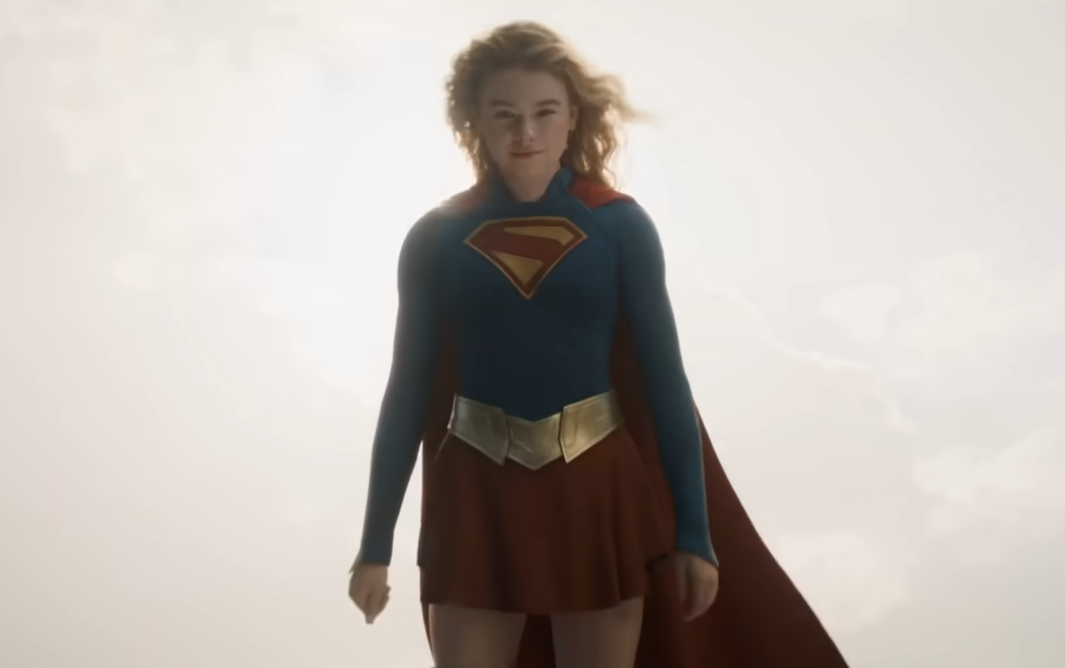
Supergirl (2026) played by Milly Alcock, is designed as a love letter to DC Comics and specifically to Supergirl: Woman of Tomorrow, blending space‑western grit, classic Kryptonian mythology and deep‑cut DC Universe references. As an evergreen guide, this article explores the comic book inspirations behind the film and the major easter eggs fans can spot on first viewing—and on every rewatch.
Core inspiration: Supergirl – Woman of Tomorrow
The primary comic inspiration for Supergirl (2026) is the eight‑issue miniseries Supergirl: Woman of Tomorrow by Tom King (writer) and Bilquis Evely (artist).
Key elements carried directly into the film include:
- Ruthye Marye Knoll: The young alien girl who asks Supergirl to help her track down her father’s killer, Krem of the Yellow Hills. In both comic and film, Ruthye functions as narrator and moral compass, echoing True Grit’s Mattie Ross in her determination and precise, formal speech.
- The revenge quest structure: Kara and Ruthye traveling planet to planet in pursuit of Krem is lifted from Woman of Tomorrow, framing the story as a long, morally complicated hunt rather than a straightforward superhero mission.
- Kara’s weary space‑fantasy vibe: Her brown overcoat, boozed‑up introduction in a bar, and a tone closer to “burned‑out gunslinger” than “bright, hopeful cousin of Superman” come straight from the first issue of the miniseries, where she meets Ruthye in a tavern at the end of her rope.
In interviews, the filmmakers have described the movie as a space fantasy that “has a lot of the core” of King’s book, even if it doesn’t follow it panel‑for‑panel. That means many story beats and character dynamics feel familiar, while the visuals and pacing are tailored for cinema.
Supergirl’s origin: Argo City and classic Silver Age roots
The film also draws heavily on Kara’s classic comic origins, echoing both Action Comics #252 (1959) and modern retellings from Woman of Tomorrow:
- Argo City survivor: Rather than simply “another Kryptonian baby sent to Earth,” this Supergirl is explicitly an Argo City survivor, a fragment of Krypton that drifted in space while its inhabitants struggled to stay alive. This matches her earliest comic incarnation, where she arrives from a surviving city instead of directly from the planet’s surface.
- Watching Krypton die slowly: Dialogue about how “Krypton didn’t die in a day” and the gods not being so kind is adapted from Woman of Tomorrow, emphasizing that Kara watched her world die over time and saw many people around her killed. That trauma explains why she is harder, angrier and more cynical than the DCU’s Superman.
- “Great Rao” and Kryptonian religion: Exclamations like “Great Rao” and references to Rao—Krypton’s red sun and the god Kryptonians worship—come from Bronze‑Age Superman comics, where Rao is often invoked as both a star and a deity.
This blend of Silver Age origin and modern psychological depth gives the film a Supergirl who is recognizably Kara Zor‑El, but far more scarred and grounded than some earlier screen versions.
Space‑western and True Grit influences
Tom King has described Supergirl: Woman of Tomorrow as an explicit homage to True Grit*, and the movie carries that DNA:
- Ruthye as Mattie Ross: Ruthye’s articulate narration, uncompromising moral streak and insistence on justice, not quick vengeance, mirror Mattie Ross from True Grit. The film keeps her literary tone, making her feel like a voice from an old Western dropped into a cosmic saga.
- Supergirl as the grizzled gunfighter: Kara’s role as the powerful but damaged adult guide—who drinks too much, fights too hard and sees death as inevitable—reflects the classic “grizzled gunslinger” archetype, transplanted to alien planets and cosmic railways.
- Planet‑hopping as frontier travel: Long journeys on alien lines like the Wormhole Xpress, stops in dangerous frontier towns and bar brawls on remote worlds all echo Western travel and frontier lawlessness, dressed in sci‑fi clothes.
These influences mean that even viewers unfamiliar with the specific comic can feel the western‑revenge backbone, which helps distinguish Supergirl’s film from typical superhero origin stories.
DC Universe nods: Daily Planet, Metropolis and Superman
Beyond Woman of Tomorrow, Supergirl (2026) packs in DC Universe easter eggs that reward long‑time fans:
- Daily Planet newspaper: An early scene features a copy of the Daily Planet, complete with jokey headlines and bylines. The credited reporters and photographers are in‑jokes referencing members of the film’s production team, while one article mentions Romita Lake, a nod to legendary comic artist John Romita Jr.
- Metropolis Mammoths: A small blurb references the Metropolis Mammoths, a hockey team first mentioned in DC’s 1990 Atlas of the DC Universe, turning an obscure map entry into a cinematic background detail.
- Superman’s apartment: In the epilogue, Kara reunites with her cousin Superman on Earth in an apartment that will look familiar to keen‑eyed viewers—its layout and skyline echo earlier DCU Superman media and classic Metropolis depictions, quietly tying Supergirl into the broader universe.
These touches help anchor a largely cosmic story back to Earth and to the shared DC geography fans know from the comics.
Planet names and creator tributes
The film frequently uses planet names as tributes to the creators behind Supergirl: Woman of Tomorrow and DC editorial:
- Holzherr: One of the first planets we visit is Holzherr, named after Brittany Holzherr, the DC editor who helped shape Woman of Tomorrow. It’s a subtle way of crediting the behind‑the‑scenes architect of the comic’s story inside the film itself.
- Bilquis: A later planet, Bilquis, takes its name from Bilquis Evely, the artist whose intricate, painterly work defined the look of the comic. Making Bilquis an actual world in the film is a direct homage to her contribution.
By weaving the names of editors and artists into the map of the movie’s universe, Supergirl underscores that comics are a collaborative medium, and that the film recognizes those contributions.
Alien factions and deep-cut DC lore
Supergirl (2026) doesn’t just lift characters and lines; it also folds in deep‑cut DC alien lore:
- Sklarian Raiders: The alien pirates who invade the Wormhole Xpress are called the Sklarian Raiders, a gang of intergalactic female bandits who first appeared in Superboy and the Legion of Super‑Heroes #233. Their inclusion broadens the DCU’s cosmic roster and ties Ruthye and Kara’s travels to the larger tapestry of DC’s space‑faring history.
- Lobo: The film introduces Lobo, “the Main Man,” the last Czarnian and long‑standing DC anti‑hero, first seen in Omega Men #3 (1983). In early development, Woman of Tomorrow was planned as a Supergirl/Lobo team‑up, and his presence in the movie nods to that abandoned idea while teasing future DCU storylines.
These easter eggs reassure fans that the DCU isn’t just rebuilding from scratch; it’s pulling in decades of cosmic characters and factions.
Argo City, green suns and Kryptonian science
Several sequences adapt specific issues of Woman of Tomorrow while reaching back to older Superman science‑fiction stories:
- Argo City flashbacks: The movie’s flashbacks to Argo City’s slow destruction mirror Woman of Tomorrow #6, which itself reinterpreted Kara’s classic origin. Shots of crystal structures crumbling, families struggling to survive and Kara watching multiple waves of catastrophe reflect pages directly from the comic.
- Barenton and the deadly green sun: The planet Barenton, with its lethal green sun, comes from Woman of Tomorrow #5. There, Ruthye must drag Kara into a cave to protect her from the radiation—exactly as in the film.
- Green sun concept in older comics: The idea that certain colored suns affect Kryptonians differently dates back to Superman #155 (1962), where a green sun proved harmful to Superman. The movie’s use of a green sun hurting Kara is both a direct adaptation of Woman of Tomorrow and a respectful nod to that older story.
By mixing modern emotional storytelling with Silver/Bronze‑Age sci‑fi rules, Supergirl builds a world that feels consistent with decades of Superman/Supergirl lore.
Tone: space fantasy meets grounded trauma
While not a specific panel‑for‑panel easter egg, the overall tone of the film reflects James Gunn’s and the creative team’s stated aims for the DCU’s Supergirl:
- Contrast with Superman: Where Superman was sent to Earth as an infant and raised by loving parents, this Kara spends her first 14 years watching people die on a “rock chip off Krypton.” That difference, articulated in interviews, underpins her harsher attitude and more violent, messy coping strategies in the film.
- Space fantasy feel: The movie leans into space fantasy—colorful, strange worlds, alien trains, pirates, cosmic barrooms—echoing everything from classic DC cosmic tales to modern genre cinema, but always anchored in Supergirl’s personal grief and anger.
For SEO and evergreen readers, this is central: Supergirl (2026) isn’t simply “another origin,” but a character study built from specific comics, trauma‑aware storytelling and a Western‑revenge framework.
How to spot more easter eggs on rewatch
On repeat viewings, fans can look for:
- Background signage, newspapers and maps that reference obscure DC locations and sports teams.
- Bar names, ship names and minor planets that match creators, editors or issue titles from Woman of Tomorrow and other Supergirl runs.
- Visual parallels to key covers and splash pages (Kara in silhouette against alien skies, Ruthye with her journal, Krem framed in specific compositions).
Because the film is explicitly marketed as a direct adaptation of Supergirl: Woman of Tomorrow, many of its best easter eggs are simply faithful recreations or re-framings of comic panels, making the miniseries the perfect companion read for anyone who wants to catch everything.
Supergirl is now in theaters.
If you are a filmmaker or just an aspiring one, you can learn filmmaking by purchasing this book. Get it from our shop , Amazon or Barnes & Noble.

This article contains affiliate links. If you click and make a purchase, we may receive a commission. This is at no additional cost to you. Thank you for your support!
✨ Discover what’s hidden, only with The Hidden Review.
©2026 The Hidden Review