
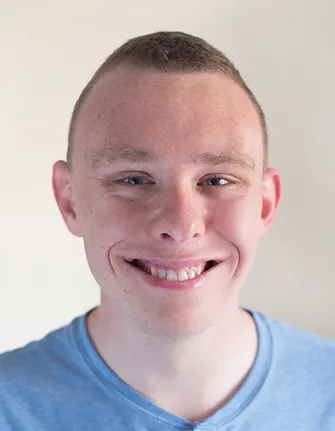
- Nathan Mann, how did you identify yourself as a writer? Who inspires you the most?
I like to write things that make people laugh, cry and think. I like stories that are rooted in humanity and common themes. Everyone in life will experience these themes in one form or another. These include relationships, passions, and other coming-of-age experiences.
I am inspired by writers including Matthew Graham, Ashley Pharoah, Cathy Crabb, Tom Davis, Jed Mercurio and Russell T Davies. All of those have brilliant storytelling abilities. They create clear, engaging shows. These shows are impossible to stop watching once you have begun.
- Moreover, you graduated from The Royal Central School of Speech and Drama, such a huge drama school worldwide. How was your experience there? What did you discover about yourself after that?
I found my time there insightful and useful. I had only ever really written musicals before joining Central. The Writing for Performance degree greatly helped me expand my skill set. I gained new experiences writing for different mediums, including children’s theatre, immersive theatre, and solo performance. I had to complete some of the degree during the height of the Covid-19 pandemic. This taught me how to tailor and adapt my creative practice to new mediums, such as digital theatre. I also learned how to write about these experiences in engaging, reflective ways.
- At the same time, you have worked on unscripted television, how did you approach that through your writing?
My work in unscripted television inspired my writing massively. While working in that industry, I am inspired to write an autism sci-fi dramedy. The autistic protagonist works as a development researcher in that industry. I have gained great feedback for the pilot script and treatment, and I am continuing to develop it
- What is the work you are most proud of and why?
I would say there are two projects I am most proud of in their own ways.
The first one would be my jukebox musical that I wrote and directed at college. I used my love of Adele’s music to write a jukebox musical about my autistic experiences. Collaborating on this with other students helped me gain friendships. I had been longing for them since I became a teenager. I got Goosebumps when writing, making me realise this was my passion. Those feelings have remained since.
The second one would be my current project: the aforementioned sci-fi tv series. Due to my long-suspected (and recently diagnosed) ADHD, I have always been worried about running out of mental energy. A tv project requires constant excellence. It also demands relentless drive for a sustained period. Despite all the challenges my brain gives me, I continue to sustain my passion for this show. I also remain enthusiastic about making it better, and I am really optimistic for where it can go in the future.
- Now that you’re a jury member, what motivated you to join the Make A Wish Film Festival? What kind of representation do you provide to the community?
I have long respected Al Fenderico’s work and enthusiasm for the company he has worked so wonderfully to build. Festivals like this are crucial for discovering new writers. This is especially true for those from under-privileged and minority backgrounds. Moreover, as a gay autistic working-class writer, I am thrilled to judge the scripts. I hope to give positive representation to the groups I am part of. I want to show that I am proud of my intersectionality.
- As you are evaluating the projects, what are the aspects that make a project stand out according to you?
Something that is unique, daring and relatable. For instance, I have always believed the best sci-fi scripts feel the most real. By that, I mean ones that can create and explore wacky worlds. These worlds involve characters being pushed as they have to make important, relatable decisions to advance their desires. Life on Mars (and its sequel Ashes to Ashes) were brilliant examples of this. Here you have present-day police officers who seem to be plunged back in time.
Through that, they visit members of their families. They learn about the very non-PC, often discriminatory worlds of the 1970s and 80s. They are still trying to solve crimes and protect the innocent. The world may be barely believable, but the characters’ emotions and actions are so real.
- What do you wish for these projects you are evaluating?
Something that grips me from beginning to end.
The festival’s winners will be announced online on September 30th. They will be recognized for the following categories. These include Best Short Film, Best Director, Best Actor/Actress, Best Photography, Best Sound, and Best Screenplay.
Follow all the latest Make A Wish Film Festival updates on social media.
Whether you are a filmmaker or just an aspiring one, you can learn filmmaking easily. Simply purchase this book from eitherAmazon orBarnes & Noble.

This article contains affiliate links. If you click and make a purchase, we may receive a commission. This is at no additional cost to you. Thank you for your support!
🎥 Follow The Hidden Review!
Stay ahead with the latest news, reviews, and interviews. Find tips from our Blog and get exclusive insights. Enjoy behind-the-scenes updates on movies, TV shows, and more!
📌 Don’t miss out—hit that subscribe button and tap the bell for notifications. 🔔
🔍 Stay in the know with The Hidden Review:
✨ Discover what’s hidden, only with The Hidden Review.
©2024 The Hidden Review
Leave a Reply