
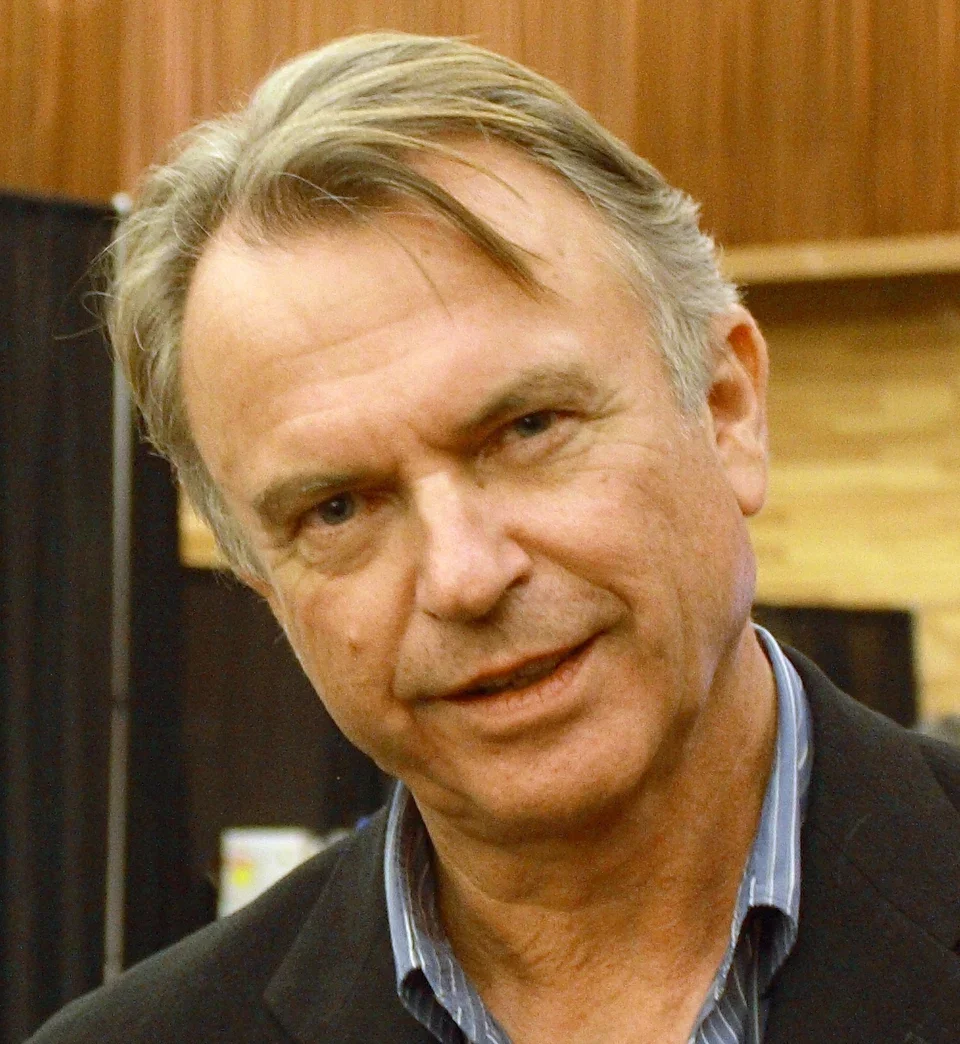
Sam Neill‘s passing marks the loss of one of cinema’s most quietly powerful and deeply humane presences, a performer whose work shaped how generations around the world understood heroism, vulnerability and wonder on screen. Though headlines will remember him as the face of Jurassic Park, his legacy runs much deeper: he was a storyteller of rare subtlety, a generous collaborator and a proud New Zealander who carried his roots into every frame.
A life between worlds
Born Nigel John Dermot “Sam” Neill in 1947, he grew up moving between countries and cultures, a sense of in‑betweenness that would later feed his gift for playing complex, conflicted men. He brought that same grounded duality to both blockbuster franchises and intimate independent films, never allowing fame to flatten his humanity.
In an industry that often rewards noise, Neill became an “international leading man” precisely because he was the opposite: controlled, precise, and capable of saying more with a glance than many actors manage with a monologue. His filmography stretched from arthouse collaborations to global hits, yet he treated each role with the same craftsmanship and care.
More than Jurassic Park
For millions, Sam Neill will forever be Dr. Alan Grant: the reluctant hero whose quiet awe and moral steadiness anchored the chaos of Jurassic Park. He played a scientist who rediscovered his capacity for wonder, and in doing so helped an entire generation believe in movie magic again.
But his career never belonged to a single franchise. He moved with ease between historical dramas, genre cinema, television miniseries and voice work, collecting accolades and nominations along the way. Even late in life he continued to work, not as a relic of a past era but as a contemporary artist willing to take risks and explore new forms.
Courage, candour and grace
In his later years, Neill showed as much courage off-screen as he ever did on. He spoke publicly about his battle with lymphoma, combining honesty about fear and fatigue with a wry humour that never let illness define him. When he shared that he had reached a cancer‑free state thanks to new treatments, he did so not as a victory lap, but as a message of hope and gratitude.
Even in the face of mortality he remained strikingly self-effacing, more interested in reassuring fans than in cultivating myth. That mixture of vulnerability and steadiness—so central to his acting—became the hallmark of his final public years as well.
A New Zealand icon with a global reach
Though his work carried him across Hollywood, Europe and beyond, Neill never stopped being, fundamentally, a New Zealand actor. He championed stories from his home region, lent his name to local projects and remained present in the cultural life of Aotearoa New Zealand.
Tributes from colleagues and loved ones in Australasia describe a man who lived and died with the dignity, dry humour and warmth that had characterised his whole life. To those who worked with him, he was a collaborator and friend; to audiences, he was a familiar face who somehow made even the most extraordinary situations feel real.
A legacy written in quiet moments
Sam Neill’s legacy isn’t just in iconic set pieces or box‑office numbers; it’s in the small choices—a half‑smile, a beat of silence, a line delivered just under the breath—that made his characters feel inhabited rather than performed. Future actors will study his restraint; future directors will look back to see how he could anchor a story without ever demanding attention.
For fans, his films and series remain: a body of work large enough to revisit for a lifetime, yet intimate enough to feel like a personal conversation. In an age of escalating spectacle, Sam Neill reminded us that the deepest special effect is still a human face honestly observed.
✨ Discover what’s hidden, only with The Hidden Review.
©2026 The Hidden Review