
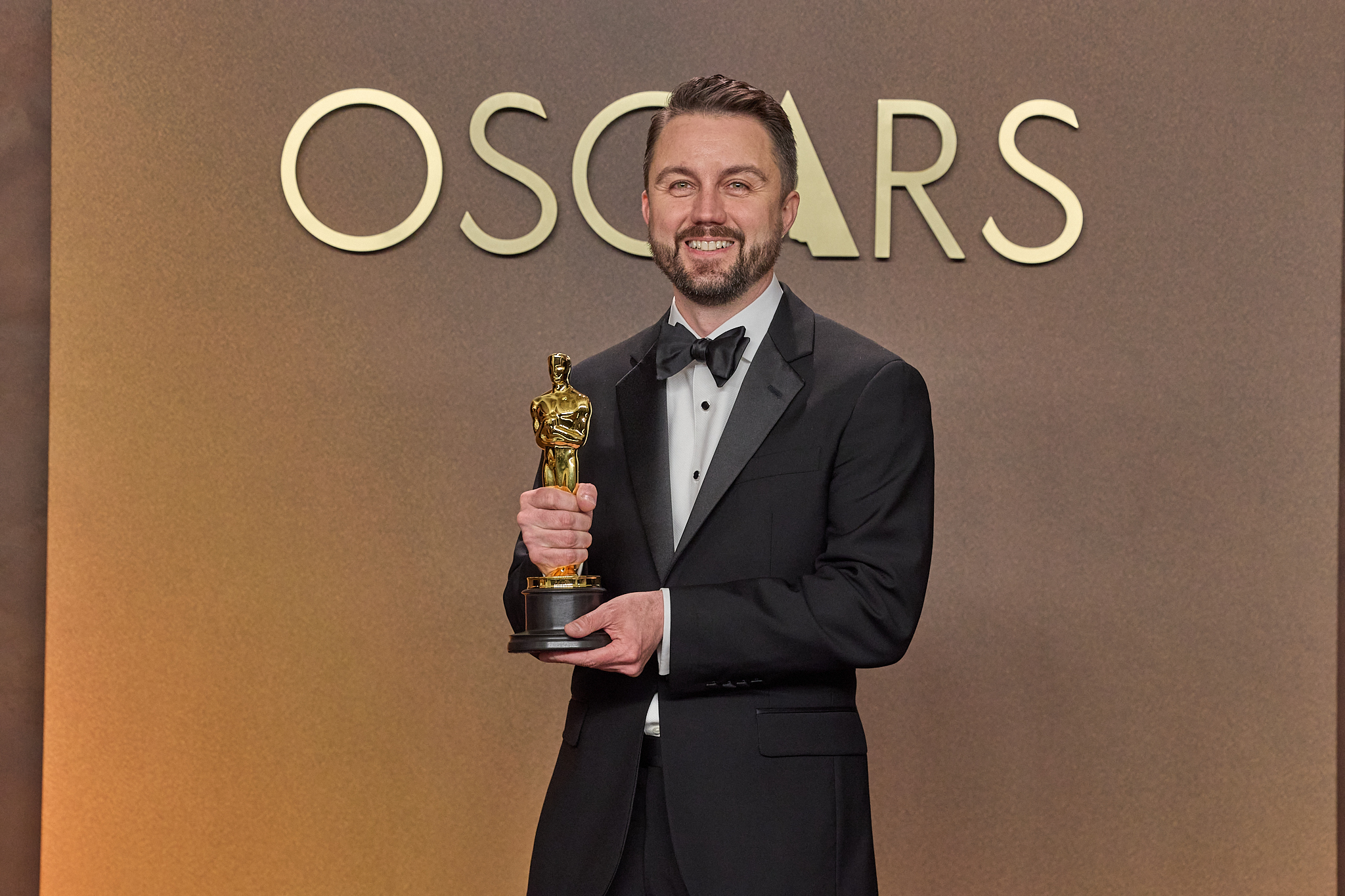
One Battle After Another wins the Oscar for best film editing for Andy Jurgensen, and it is structured around multiple military engagements that could easily blur together into generic, noisy combat. Jurgensen’s editing prevents that from happening by treating each clash as a self‑contained emotional chapter. Instead of interchangeable set pieces, every battle is defined by:
- A distinct internal rhythm
- A clear visual motif
- A specific character objective
Because the edit foregrounds who is fighting for what at any given moment, the audience always understands the stakes. The result is a film that feels like a steadily intensifying emotional journey rather than a repetitive loop of explosions.
Pacing that reflects psychology, not just action
One of the most striking aspects of Jurgensen’s editing is the way pacing mirrors the characters’ mental states. The film constantly shifts between:
- Long, suffocating build‑ups where tension accumulates and dread sets in
- Brutally short bursts of violence that arrive almost too fast to process
Instead of maintaining a steady, “cool” action tempo, the timing of the cuts follows fear, confusion, anticipation and shock. This approach makes the battles feel lived‑in and subjective; we’re not just watching war, we’re feeling the emotional whiplash of the people trapped inside it. Intercutting the carnage at the front with command‑tent strategy and intimate character moments lets us register, in real time, how each decision ripples out into human cost.
Clarity amid chaos: geography and subjectivity in balance
War films often risk disorienting the viewer, but Jurgensen’s cutting finds a precise balance between spatial clarity and chaotic immersion. He uses wide shots sparingly and strategically—to re‑anchor us in the geography of a battlefield just before plunging back into handheld shots and tight close‑ups.
That rhythm means we rarely feel lost, even when the characters themselves are disorientated. The edit gives us just enough structural overview to understand where we are, then returns us to the subjective intensity of the fight. It’s a careful calibration: the chaos feels real, but the story remains legible.
Sound, image and impact cut as one
Jurgensen’s editing isn’t only visual; it’s deeply tied to sound design. He frequently cuts sound and image together in ways that make each hit feel physically impactful:
- Shells land on the soundtrack a fraction of a second before we see the explosion
- Sudden cuts to silence punctuate moments of trauma or shock
- The transition from cacophony to quiet becomes a storytelling device in itself
These choices pull the viewer into the bodily experience of battle. Instead of simply watching destruction, we feel it as a series of jolts and absences, where what we hear and what we see are in constant, meaningful tension.
Dialogue, reactions and the slow fracture of trust
Away from the battlefield, dialogue scenes are cut with equal care. Jurgensen often lingers a fraction longer on reaction shots than a purely functional edit might, letting us absorb:
- Shifting loyalties
- Unspoken doubts
- The subtle erosion of trust between allies
These held beats become investments that pay off later. When alliances finally break under pressure in the battles, we understand those ruptures not as sudden twists but as the inevitable culmination of tensions we’ve been watching accumulate in faces, glances and pauses.
Editing character arcs through ellipsis and juxtaposition
Perhaps the most sophisticated element of Jurgensen’s work is how he uses ellipsis and cross‑cutting to tell the story of character change. Instead of relying on expository dialogue to explain who has hardened, who has broken and how relationships have shifted, the editing shows it by:
- Choosing which moments to include and which to skip
- Juxtaposing specific actions or expressions across time
- Controlling how long we stay on a character at key turning points
We see leaders grow more ruthless, soldiers fray at the edges and alliances mutate through the accumulation of these editorial decisions. The film gains a sense of inevitability: every major clash feels like the logical consequence of earlier choices and reactions that the edit has carefully underlined.
Why the Oscar win feels essential, not just deserved
Taken together, Andy Jurgensen’s editing on One Battle After Another does far more than “tighten” a war film. It:
- Structures a potentially sprawling narrative into clear, emotionally distinct chapters
- Uses pacing and rhythm to mirror psychological reality, not just action beats
- Maintains spatial clarity without sacrificing the visceral confusion of combat
- Integrates sound and image to make every impact felt
- Crafts character arcs through cuts, ellipses and reaction shots rather than exposition
This is why his work stands out at the 2026 Oscars: the film’s tension, coherence and emotional weight are inseparable from the editing. One Battle After Another doesn’t simply contain good cutting—it is, in many ways, authored by it.
If you are a filmmaker or just an aspiring one, you can learn filmmaking by purchasing this book. Get it from our shop , Amazon or Barnes & Noble.

This article contains affiliate links. If you click and make a purchase, we may receive a commission. This is at no additional cost to you. Thank you for your support!
✨ Discover what’s hidden, only with .
©2026 The Hidden Review